
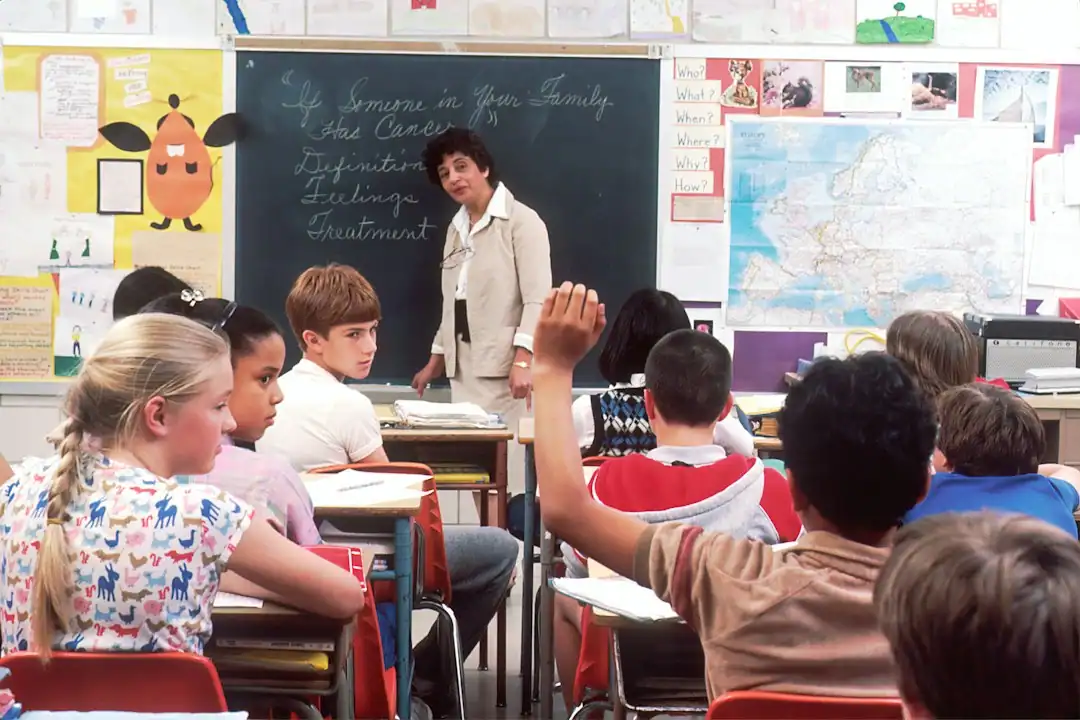
A loud classroom can look like an engaged classroom.
Teams are cheering. Hands are up. Points are moving. Students are asking to play one more round.
And still, the same three students may be doing most of the thinking.
The difference between a fun review game and an instructional review game is not the scoreboard. It is whether every student has to retrieve, decide, explain, and respond.
Do not confuse participation with evidence
When one spokesperson answers for a team, the class can produce a correct response without revealing what most students know. The first repair is simple: require an individual response before the team discussion.
- Everyone solves before anyone speaks
- Each student records an answer
- Teams must explain how they reached agreement
- The teacher selects the reporter after discussion
Now the game creates evidence instead of hiding it.
Write questions that expose thinking
Fast recall has a place, but a full review cannot rely on recall alone. Mix question types so students must use knowledge in different ways.
- Recall: Define, identify, list
- Apply: Solve, use, demonstrate
- Compare: Explain similarities and differences
- Diagnose: Find and correct an error
- Justify: Defend the best answer with evidence
- Transfer: Use the skill in an unfamiliar situation
A balanced game helps the student who remembers quickly and the student who thinks carefully contribute in meaningful ways.
Reduce the speed advantage
If points always go to the fastest response, students may learn that speed matters more than accuracy or explanation. Build rounds where teams earn points for:
- A correct answer
- A clear explanation
- A useful model or representation
- A thoughtful correction
- Evidence that every teammate can explain the response
This changes the social message of the game. Thinking becomes visible. Collaboration becomes teachable. Students who need a few extra seconds can still contribute.
Plan the follow-up before the game begins
The game should lead somewhere.
Use a quick tracking sheet with the skill names down one side and three simple marks: secure, developing, and revisit. You do not need to record every answer from every student. Track patterns.
Then use the last five minutes for a response:
- Reteach one widespread misconception
- Pair students for a corrected explanation
- Assign a two-question exit check
- Place one skill into tomorrow’s spiral review
- Form a temporary small group
Protect the students who dislike competition
Not every student experiences competition as motivating. Keep stakes low, avoid public rankings of individual students, rotate roles, and reward reasoning as much as winning. Cooperative goals—such as the class improving its explanation score—can preserve energy without making mistakes feel dangerous.
The real win
The best review game does not merely end with a winner.
It ends with the teacher knowing what to teach next.
For additional structures and classroom-ready ideas, visit Upper Elementary Review Games and the broader Math, ELA & Review hub.